
Spinal Decompression Therapy in Markham: 3 Steps to Advanced Relief
Dealing with persistent back pain, herniated discs, or stubborn sciatica flare-ups? At Caspian Rehab, we utilize computerized, non-surgical Spinal Decompression Therapy in Markham to treat mechanical complications directly at the source. Our advanced systems draw pressure off constricted nerves, enhance regional disc hydration matrices, restore personal movement profiles, and systematically support your path to surgery-free recovery. We proudly provide localized clinical support vectors to active patient bases across Markham, Unionville, Richmond Hill, Thornhill, and the greater York Region.
The Clinical Science of Spinal Decompression Therapy in Markham
Non-surgical computerized spinal decompression operates by setting precise, variable traction angles tailored entirely to your unique skeletal frame geometry. Unlike basic, linear traction frameworks that can cause unexpected muscle guarding or structural defense contractions, our technology utilizes computerized feedback sensors to calculate and smooth out tension peaks smoothly. This system allows our clinical parameters to target the exact restricted spinal segment causing your radiating symptoms.
By pulling gently at specific angles, the system produces localized negative intradiscal pressure inside the target segment. This creates a powerful gentle vacuum footprint that helps pull bulging or displaced discal tracking materials away from crowded nerve channels. Concurrently, this unweighting event allows oxygenated blood, fluid components, and vital cellular repair complexes to flow into the disc, accelerating the healing process through professional Spinal Decompression Therapy in Markham.
If you have tried passive hot packs or general manipulation routines without securing lasting physical correction, it is usually because the structural discal restriction requires consistent mechanical separation to yield. By running continuous, unweighted log tracking blocks, we help you transition out of persistent protective muscle locking states and progress toward stable spinal balance.
Conditions Treated Successfully
Our modern workspace habits throw the spine out of balance. We safely correct a wide range of nerve and structural challenges using Spinal Decompression Therapy in Markham:
- Herniated or Bulging Discs: Redirecting displaced inner core layers away from sensitive nerve walls.
- Sciatica & Core Radiating Discomfort: Clearing persistent burning or shooting patterns that run down into the lower legs.
- Degenerative Disc Disease: Decompressing collapsed joint structures to improve localized fluid distribution metrics.
- Spinal Stenosis Complications: Expanding restricted canal spaces to reduce walking limitations and posture aches.
- Chronic Lower Back & Cervical Distress: Releasing long-standing mechanical restrictions built up from long office desk commutes.
Expected Biomechanical Benefits
By regularly opening up compressed joint segments, patients notice substantial, measurable improvements across their daily movement and overall physical habits:
- Direct Nerve Channel Pressure Relief: Dropping localized nerve pinches to mitigate persistent numbness, muscle tracking weaknesses, and deep aches.
- Improved Sitting & Walking Tolerances: Helping you manage extended administrative desk hours or long drives comfortably.
- Reduced Muscle Guarding Fields: Calming down protective muscle spasms by restoring standard motion boundaries to the joints.
- Non-Surgical & Safe Results: Achieving lasting relief from structural disc challenges without the risks, recovery times, or medication needs of surgery.
Our Methodical Framework: 3 Steps to Advanced Relief
At Caspian Rehab, we structure your recovery around a reliable, three-stage care plan designed to track your progress accurately and keep your spine feeling stable and supported.
Step 1: Thorough Initial Physical Assessment
Your journey begins with a detailed initial diagnostic profiling session. We evaluate your complete medical history, complete precise orthopedic joint diagnostics, perform neural pathway checks, and review baseline functional movement scans to determine if you are a candidate for safe Spinal Decompression Therapy in Markham.
Step 2: Targeted Multi-Modal Treatment Tracks
Once your diagnostic outline is mapped, we configure our specialized decompression table to target your restricted segments. We apply precise traction angles alongside targeted manual therapies to relieve joint stress safely.
Step 3: Stabilization & Permanent Results Coaching
Real physical recovery requires active structural training. As your joint segments stabilize, we introduce personalized core support exercises, desk ergonomics re-patterning, and simple workspace habit changes to protect your progress long after your treatment plan finishes.
Frequently Asked Questions — Spinal Decompression Therapy in Markham
Review these direct answers to our most common patient inquiries regarding clinical decompression settings, scheduling footprints, and eligibility tracking.
How long until I notice lasting movement relief?
Many patients feel improvement within a few visits. For long-standing disc issues, a consistent plan over several weeks is recommended to support deep tissue healing and maximize the value of your Spinal Decompression Therapy in Markham.
Is clinical decompression safe for all skeletal profiles?
We screen all patients first. Decompression is highly safe but is generally not recommended for those with acute structural fractures, spinal tumors, or advanced osteoporosis. Your safety is our absolute priority.
What should I expect during a typical treatment session?
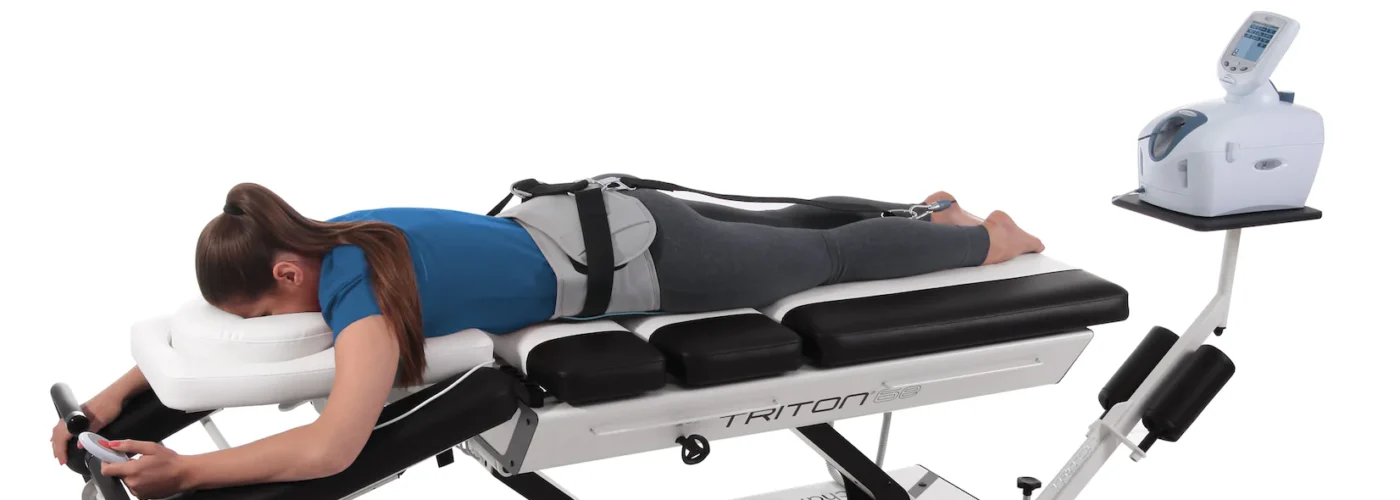
You lie comfortably on a computer-controlled table while customized harnesses apply localized tension curves. You will feel a gentle stretching sensation. Sessions typically last 30–60 minutes and are designed to be comfortable and relaxing.
Do you offer direct billing configuration pathways for health insurance?
Yes. Our office handles direct electronic billing configuration steps for major extended healthcare networks, simplifying your checkouts so you can focus entirely on your physical recovery.
Visit Our Spinal Decompression Suite in Markham
Caspian Rehab is located at 50 McIntosh Drive, Unit 101, Markham, ON L3R 9T3. Our modern facility features ground-floor accessibility, direct access entry points, and plenty of free private on-site parking spots. We sit right off Highway 7 and Woodbine Avenue, making the clinic incredibly easy to reach from anywhere in the York Region.
Follow us and review clinic highlights on Google Maps · Facebook · Instagram.